
Back Injuries
Understanding what may be injured, when to seek care, and how recovery is planned.
Request My ConsultationWhen to seek urgent care
After a major fall or collision, severe back pain or new weakness needs emergency assessment. New loss of bladder or bowel control also requires immediate medical attention.
Understanding back injuries
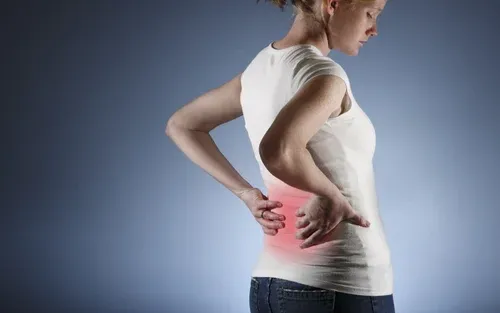
A back injury can involve muscles, ligaments, discs, or vertebrae. The term describes an event rather than a single diagnosis. A lifting injury and a fracture after a fall may both cause pain, but they need different evaluations and recovery plans.
Common symptoms
- Pain or tenderness after lifting, twisting, falling, or a collision.
- Stiffness or spasms that limit normal movement.
- Pain into a leg, numbness, or weakness when nerves are involved.
What can cause it?
Sudden force can injure soft tissues or bone. Repeated loading may also contribute to pain. Reduced bone strength can allow a fracture after a relatively minor incident, so the force of the injury does not tell the whole story.
How it is evaluated
Your clinician asks how the injury happened and checks movement, strength, sensation, and reflexes. Imaging is selected for the suspected injury: X-rays or CT can assess bone, while MRI can clarify disc, ligament, or nerve concerns. Not every new episode of back pain needs a scan.
Treatment considerations
These are general educational options. A consultation helps determine what is appropriate for your diagnosis and health.
Explore back conditions →Questions for your visit
- Which structure was injured, and is my spine stable?
- What milestones should I meet before returning to lifting, work, or sport?
Sources and further reading
- NIAMS: Back pain diagnosis and treatment
- AAOS: Fractures of the thoracic and lumbar spine
- AANS: Spinal pain
This guide is educational and does not replace an individual medical evaluation.
Bring your questions. Understand your options.
Talk with a member of our team about your symptoms and next steps.